The digital age, while accelerating human progress, has inadvertently created a massive environmental footprint. Our insatiable demand for the latest smartphones, laptops, and connected devices fuels a continuous cycle of resource depletion, high energy consumption, and the mounting crisis of e-waste. The traditional technology model is fundamentally linear: mine, manufacture, use briefly, and dispose. This path is financially and ecologically unsustainable. However, a profound shift is underway, driven by consumer demand, regulatory pressure, and technological innovation. The concept of Sustainable Tech: Greener Gadgets for All is emerging as the new standard, moving the industry toward a circular economy model where environmental responsibility is integrated into every stage of a product’s life.
This pivotal transition is of paramount importance for publishers aiming for high CPC (Cost Per Click) revenue. Content focusing on sustainable investment, corporate ESG (Environmental, Social, and Governance) performance, and cutting-edge material science attracts premium advertisers and high-value search traffic. Adopting sustainable practices is no longer a niche marketing tactic; it is becoming a core strategic differentiator that enhances brand equity and resilience. This comprehensive article delves into the technological and systemic changes necessary to achieve truly green gadgets, covering everything from materials sourcing and energy efficiency to the crucial role of longevity and the right-to-repair movement.
A. Deconstructing the Unsustainable Tech Life Cycle
Before exploring solutions, it is crucial to understand the devastating environmental and economic costs embedded within the existing linear tech life cycle.
-
A. Raw Material Extraction and Conflict Minerals: The beginning of every gadget is the extraction of precious metals (gold, silver, platinum) and rare-earth elements (neodymium, dysprosium). A. Resource Depletion: Mining operations consume vast amounts of water and energy, contaminate soil, and contribute significantly to carbon emissions. B. Conflict Sourcing: Materials like Tantalum (from Coltan), Tin, Tungsten, and Gold (3TGs) are often sourced from conflict zones, linking the tech supply chain to human rights abuses and illegal funding of armed groups, creating immense ethical and reputational risks.
-
B. Manufacturing and High Embodied Carbon: The manufacturing phase accounts for the majority of a gadget’s embodied carbon—the greenhouse gas emissions associated with its creation, transport, and disposal. C. Energy Intensity: Semiconductor fabrication (chipmaking) is one of the most energy-intensive industrial processes globally, often requiring immense amounts of purified water and operating in facilities powered by fossil fuels. D. Chemical Waste: The etching and cleaning processes involved in manufacturing printed circuit boards (PCBs) and microchips produce highly toxic chemical waste, which, if improperly managed, pollutes local ecosystems.
-
C. The E-Waste Catastrophe: This is the most visible crisis of the linear model. E-waste (electronic waste) is the fastest-growing waste stream globally. E. Toxic Leaching: When electronics are disposed of improperly in landfills, toxic substances like lead, mercury, and cadmium leach into the soil and groundwater. F. Lost Resources: E-waste contains recoverable gold, silver, and copper. Throwing away a tonne of mobile phones is far more wasteful than mining a tonne of ore, representing a massive loss of embedded economic value and resources.
B. The Circular Economy: Redefining Product Life
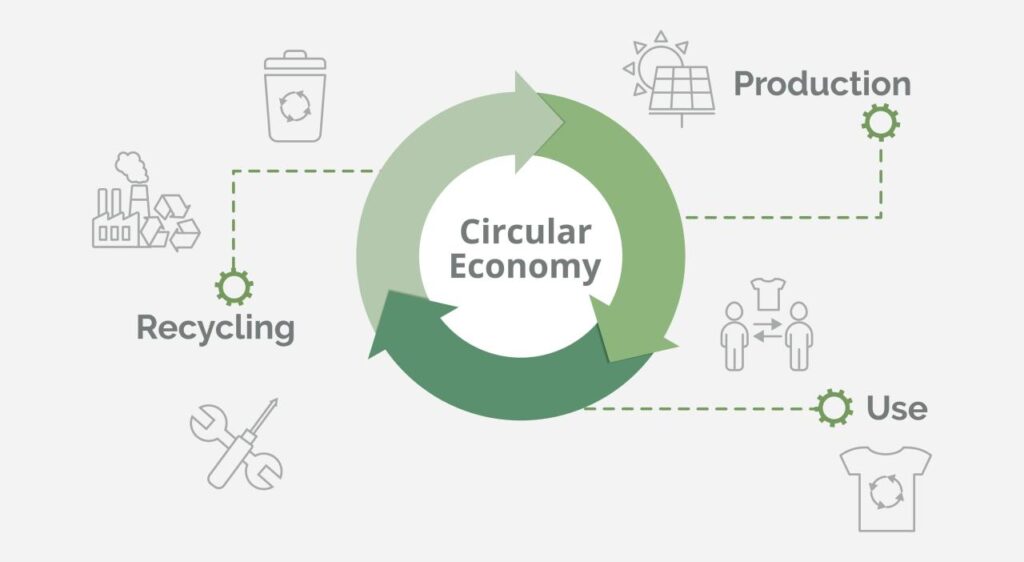
The solution to the linear model is the Circular Economy, which seeks to keep resources in use for as long as possible, eliminating waste by design. For tech, this involves a deep shift across three phases: Design, Use, and Recovery.
-
A. Design for Longevity and Disassembly: The sustainable product must be built to last and to be taken apart easily. A. Modular Architecture: Designing devices with easily replaceable components (e.g., batteries, screens, ports) allows users to upgrade or repair specific parts instead of replacing the entire device. This minimizes waste and maximizes product lifespan. B. Non-Adhesive Assembly: Minimizing the use of permanent adhesives and proprietary tools, instead utilizing screws, clips, and standard fasteners to enable non-destructive disassembly by independent repair professionals.
-
B. Materials Innovation and Responsibility: The materials used must be sourced ethically and sustainably. C. Recycled Content Targets: Setting mandatory targets for the inclusion of post-consumer recycled plastics, aluminum, and copper in new gadgets, reducing reliance on virgin materials. D. Bio-based and Low-Impact Materials: Researching and integrating materials derived from biological sources (bio-plastics, wood, bamboo) or materials with naturally lower embodied carbon footprints. E. Conflict-Free Sourcing: Implementing rigorous, auditable supply chain transparency protocols (blockchain tracking) to guarantee that all minerals used are certified as ethically and conflict-free.
C. Energy Efficiency and Operational Sustainability
A gadget’s environmental impact continues throughout its operational life, necessitating radical improvements in energy consumption and charging practices.
-
A. Operational Energy Footprint: Reducing the power consumed by devices during active use and standby. A. Processor Efficiency: Designing System-on-Chips (SoCs) with highly optimized power management cores and prioritizing performance-per-watt rather than peak performance alone. B. Display Technologies: Utilizing low-power display technologies (e.g., specific OLED or micro-LED variants) that dynamically adjust brightness and refresh rates to minimize energy drain.
-
B. Standby and Charging Efficiency: Tackling the pervasive issue of “vampire power” (energy consumed when devices are plugged in but not actively used). C. Standardized External Power Supplies (EPS): Adopting universal charging standards and highly efficient external power supplies that meet stringent energy efficiency protocols (like the EU’s requirements), reducing idle power consumption. D. Optimized Battery Chemistry: Investing in solid-state or next-generation battery technologies that offer higher energy density and longer cycle life, delaying the need for battery replacement and reducing waste.
-
C. The Role of Cloud and Data Centers: The invisible environmental cost of the digital world lies in the massive data centers that power cloud services. E. Green Data Centers: Moving data centers to locations with abundant renewable energy (solar, wind, geothermal) and implementing innovative cooling systems (e.g., liquid immersion cooling, or using cold outdoor air) to reduce the colossal energy required for climate control.
D. The Right-to-Repair Movement and Regulatory Pressure
The lifespan of gadgets is increasingly being dictated by external forces, chiefly the political and regulatory environment, making the Right-to-Repair movement a pivotal force.
-
A. Barriers to Repair: Manufacturers often employ deliberate strategies to limit the lifespan of devices and ensure repairs are conducted only by authorized, expensive channels. A. Software Pairing: Using software locks to prevent a repaired component (like a screen or battery) from functioning unless it is electronically verified and “paired” with the device’s logic board by the original manufacturer. B. Restricted Access to Tools and Manuals: Refusing to sell specialized diagnostic tools, spare parts, or detailed repair manuals to independent repair shops or consumers.
-
B. The Right-to-Repair Mandates: Governments worldwide are responding to consumer demand and environmental necessity by legislating the right to repair. C. Mandatory Spare Parts Availability: Legislation requiring manufacturers to make spare parts and repair information available to consumers and independent repair shops for a specified number of years after a product is launched. D. Eliminating Software Locks: Passing laws that prohibit the use of software pairing designed to disable devices when third-party components are installed, promoting fair competition in the repair market.
-
C. Regulatory Driving Forces (ESG and Supply Chain): Beyond repair, regulations are forcing comprehensive changes to the entire supply chain. E. Mandatory Due Diligence: Requiring companies to perform and publicly report on due diligence regarding human rights and environmental impacts throughout their entire supply chain, penalizing non-compliance with conflict-free sourcing. F. Extended Producer Responsibility (EPR): Making producers financially and physically responsible for the collection, sorting, and environmentally sound treatment of their products at the end of their life, incentivizing design for recyclability.

E. The Future: From Greener Gadgets to Circular Systems
The final phase of the transition involves scaling up recovery and recycling infrastructure and creating new business models based on longevity and service.
-
A. Advanced Recycling and Urban Mining: Traditional recycling methods often fail to recover complex, mixed materials efficiently. A. Hydrometallurgy and Pyrometallurgy: Investing in advanced chemical and thermal processes that can efficiently separate and recover rare-earth elements, platinum group metals, and other high-value materials from complex PCBs and device components. B. Standardized Collection: Creating simple, accessible national and international collection points and incentives to dramatically increase the volume of e-waste that enters the formal recycling chain, preventing toxic export and informal dismantling.
-
B. Product-as-a-Service (PaaS) Models: Shifting the business incentive from selling units to providing a service. C. Device Leasing and Subscription: Companies retain ownership of the device (e.g., printers, laptops, corporate phones) and lease it to the user. This financial incentive makes the manufacturer prioritize longevity, durability, and easy repair, as they bear the cost of maintenance and replacement. D. Component Recovery: When the lease ends, the manufacturer has a direct financial incentive to reclaim the product, harvest high-value components for reuse, and recycle the remaining materials, closing the loop of the circular economy.
-
C. Digital Product Passport (DPP): Enhancing transparency and tracking through digital means. E. Blockchain Tracking: Implementing a digital product passport, often recorded on a blockchain, that tracks the origin of raw materials, the repair history, the recycled content, and the energy consumption data of a device throughout its entire lifespan, providing verifiable data for consumers and regulators.
In conclusion, the goal of Sustainable Tech: Greener Gadgets for All is the fundamental redesign of the technology value chain. By embracing the principles of the circular economy, moving toward modular design, demanding radical energy efficiency, and supporting the Right-to-Repair movement, the industry can mitigate its environmental crisis. This commitment is not an optional ethical stance but a critical strategic move that aligns with global regulatory trends, consumer values, and the high-value investment criteria of the modern economic landscape.